<<<<a href="" style="color:#4c2b11">a href="" style="color:#4c2b11">a href="" style="color:#4c2b11">section class='pillar-hero'>Mustard: the complete guide to an exceptional condiment
Since 1921, Albert Ménès, a fine food house rooted in the Basque Country, has been selecting characterful mustards true to traditional craftsmanship. Discover their origins, their varieties and our advice on choosing and cooking with them.
An iconic condiment of French gastronomy, mustard is born from ground mustard seeds combined with vinegar or verjuice, water and salt. Its strength, texture and aromas vary depending on the seeds used, the grinding method and any added ingredients. Whether strong, wholegrain or flavoured, it enhances meats, sauces and dressings. In this guide, we introduce the main families of mustard, share our buying tips and recipe ideas, and answer the questions you most often ask about this timeless French classic.
The different types of mustard
Strong mustard
Smooth and pungent, strong mustard is made from brown or black mustard seeds with their husks removed. Its bold heat rises to the nose and lifts grilled meat, vinaigrettes and homemade mayonnaise. It is the essential reference found in every kitchen.
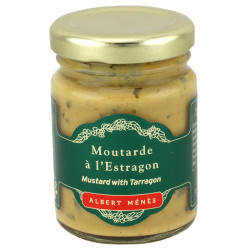
Tarragon mustard
Flavoured with tarragon, a herb with aniseed and lightly peppery notes, this mustard offers a gentler, herbaceous taste. It pairs beautifully with fish, poultry, eggs and cold sauces, and brings a fresh touch to mixed salads and summer dishes.
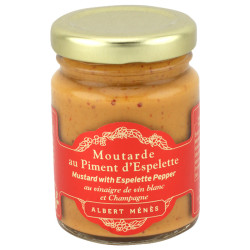
Espelette pepper mustard
A nod to the Basque Country, Espelette pepper mustard combines the bite of mustard with the fruity, gentle warmth of this iconic chilli. It subtly enhances grilled meats, charcuterie, axoa, plancha-cooked fish and sandwiches with a distinctive southwestern character.
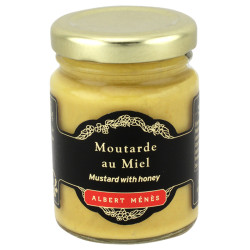
Honey mustard
A delicious balance of sweet and spicy, honey mustard wins people over with its roundness. It goes wonderfully with pork, roast chicken, salmon and cheese, and makes an excellent base for salad dressings, glazes and marinades for everyday cooking.
Frequently asked questions about mustard
How should mustard be stored?
Unopened, a jar of mustard keeps at room temperature away from light. Once opened, store it in the fridge with the lid tightly closed: the mustard will keep its heat and colour for several weeks. Mustard that dries out loses its strength.
What is the difference between strong and wholegrain mustard?
Strong mustard is made from ground and sieved seeds, giving it a smooth texture and an intense heat. Wholegrain mustard keeps whole or crushed seeds, resulting in a grainy texture and a taste that is often milder and more rustic.
Why does mustard tingle in the nose?
When the seeds are ground in contact with liquid, an enzyme releases volatile sulphur compounds called isothiocyanates. These rise into the nose and create that characteristic pungent sensation. Heat softens this effect, which is why mustard is often added at the end of cooking.
Can mustard be cooked?
Yes, but with care. Long cooking or a rolling boil reduces its heat and can make it bitter. To preserve its aromas, stir it in off the heat or at the end of cooking, into a cream sauce, meat juices or a marinade.