<<<<a href="" style="color:#4c2b11">a href="" style="color:#4c2b11">a href="" style="color:#4c2b11">section class='pillar-hero'>Albert Ménès Honey: The Complete Guide to Varieties and Uses
Since 1921, our Basque Country house has been selecting honeys of character, and was awarded at the Concours Général Agricole 2026. Discover how to choose, taste and cook with the honey that suits you best.
Since 1921, Albert Ménès has been selecting fine food products for their flavour and authenticity. Honey holds a special place in this collection: a living product, it reflects the flowers foraged by the bees, the harvest season and the beekeeper’s expertise. Creamy or runny, mild or bold, plain or flavoured, every honey has its own personality. This guide helps you understand the main varieties, choose the right one and make the most of it in your kitchen, from breakfast to dessert.
The main honey varieties
Creamed honey
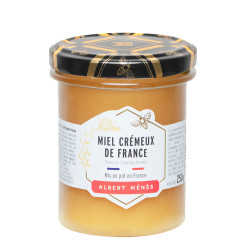
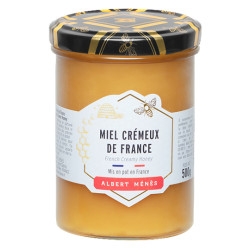
Creamed honey is a honey whose natural crystallisation has been carefully controlled by slow stirring. The result is a smooth, melt-in-the-mouth texture that spreads easily without dripping. Perfect on fresh bread, toast or pancakes for a delicious breakfast.
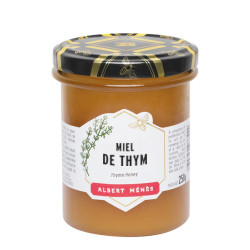
Thyme honey
Made from thyme blossoms, this amber honey stands out with its powerful, herbaceous and slightly spicy aromas. Its intense flavour makes it an ideal partner for savoury cooking: marinades, roast meats, goat’s cheese or bold salad dressings.
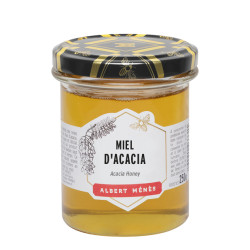
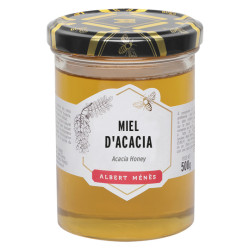
Acacia honey
Very pale and exceptionally mild, acacia honey stays liquid for a long time thanks to its high fructose content. Its delicate floral and vanilla notes sweeten tea, yoghurt and pastries without overpowering other flavours. Ideal for anyone discovering honey.
Flavoured honey
Flavoured honey combines a quality honey with carefully chosen ingredients such as fruits, spices or herbs. These gourmet creations add an original touch to cheese boards, desserts and hot drinks. A lovely gift idea for food lovers seeking new flavours.
Frequently asked questions about honey
Why has my honey crystallised?
Crystallisation is a natural process that does not affect the quality of honey. It depends on the honey’s sugar composition and on temperature. To make it runny again, place the jar in a gentle warm water bath, keeping it below about 40 °C.
How should I store honey?
Keep your honey in its tightly closed jar, away from light, moisture and heat, ideally between 15 and 20 °C. There is no need to refrigerate it: cold speeds up crystallisation and makes the texture harder to spread.
Can I cook with honey?
Yes, honey works beautifully in both sweet and savoury dishes. It glazes meats, balances dressings and flavours baked goods. To preserve its delicate aromas, add it preferably at the end of cooking or to warm rather than very hot preparations.
Is honey suitable for young children?
Honey should not be given to babies under one year old, as their digestive system is not yet mature enough. After that age, honey can be enjoyed by the whole family, in moderation, as part of a varied and balanced diet.