<<<<a href="" style="color:#4c2b11">a href="" style="color:#4c2b11">a href="" style="color:#4c2b11">section class='pillar-hero'>Pepper: The Complete Guide to the King of Spices
Black, white, green or pink, pepper is the spice that turns everyday cooking into something memorable. Since 1921, Albert Ménès has selected exceptional peppercorns for cooks who care about aroma as much as heat.
Why pepper deserves your attention
Pepper is the most widely traded spice in the world, yet few cooks realise how much its flavour depends on terroir, harvest time and drying. Since 1921, Albert Ménès has chosen peppercorns from renowned growing regions for their aromatic complexity, not just their pungency. From our home in the Basque Country, and with a distinction at the Concours Général Agricole 2026, we offer whole berries that keep their essential oils until the moment you grind them. This guide covers the varieties, how to buy and how to cook pepper.
The main types of pepper
Black pepper
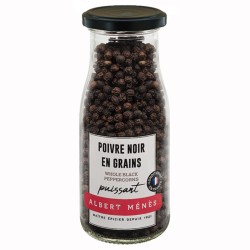
Picked unripe from the Piper nigrum vine, then sun-dried until the skin darkens and wrinkles. It is the most aromatic and pungent form, with woody, resinous and sometimes citrus notes. Ideal for meats, sauces and everyday seasoning.
White pepper
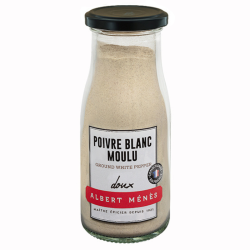
Made from fully ripe berries soaked to remove their outer skin, leaving only the seed. Its heat is sharper but its aroma more subtle, with slightly earthy notes. Perfect for white sauces, fish, mashed potatoes and Asian dishes.
Green pepper
Harvested very young and preserved in brine or freeze-dried before it darkens. Fresh, herbaceous and mildly spicy, it keeps the vibrant character of the living berry. It is the classic choice for a creamy pepper sauce with steak.
Pink berries
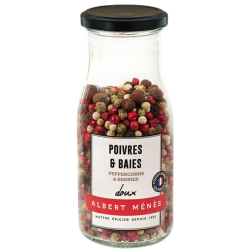
Often called pink pepper, these berries come from the Schinus tree and are not true pepper. Sweet, fruity and gently resinous, they add colour and delicacy to fish, desserts and salads. Avoid them in case of cashew or mango allergy.
Frequently asked questions about pepper
What is the difference between black and white pepper?
Both come from the same plant. Black pepper is picked unripe and dried with its skin, while white pepper is ripe and skinned, giving a sharper but less aromatic flavour.
Are pink berries real pepper?
No. They come from the Schinus tree, a different botanical family. They are called pepper because of their appearance and are used in a similar way.
How long does pepper keep?
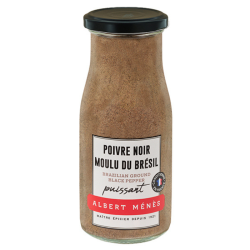
Whole peppercorns keep their aroma for two to three years in an airtight container. Ground pepper fades within a few months.
When should pepper be added during cooking?
Ideally at the end of cooking or just before serving, because prolonged heat makes pepper bitter and evaporates its aromatic compounds.